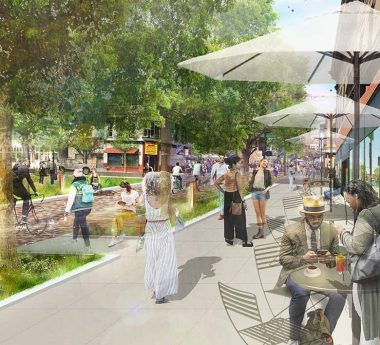
Nature, People and Place: Repositioning Parks to Increase User Diversity

Thinking

The most meaningful parks don’t earn their place in a community because of a single event or landmark. They become part of everyday life.

They’re where someone walks before work, where children invent games among boulders and trees, where neighbors gather for lunch, or where families return season after season because the experience always feels a little different. Over time, those ordinary moments create something extraordinary. The park becomes part of the identity and memory of a place.
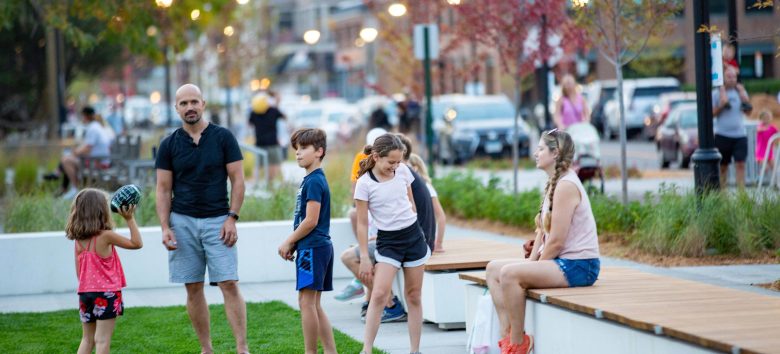
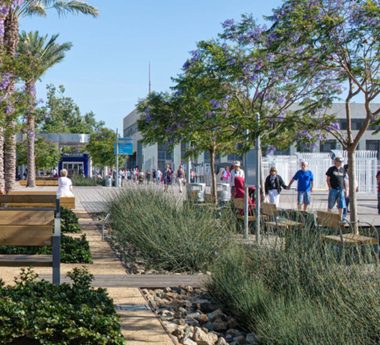
people hanging out in the panoway town center

That idea was at the heart of Civitas Principal Scott Jordan‘s presentation at the Canadian Society of Landscape Architects (CSLA) 2026 Congress in Halifax. Aligned with the conference theme, Blurred Edges: Celebrating Thresholds of Change, the session explored how repositioning existing parks can increase the diversity of nature, people, and place while helping communities respond to an increasingly urgent challenge: how to create public landscapes that remain vibrant, resilient, and financially sustainable over time.

Rethinking the Modern Park

For decades, communities have often approached park design from one of two directions.

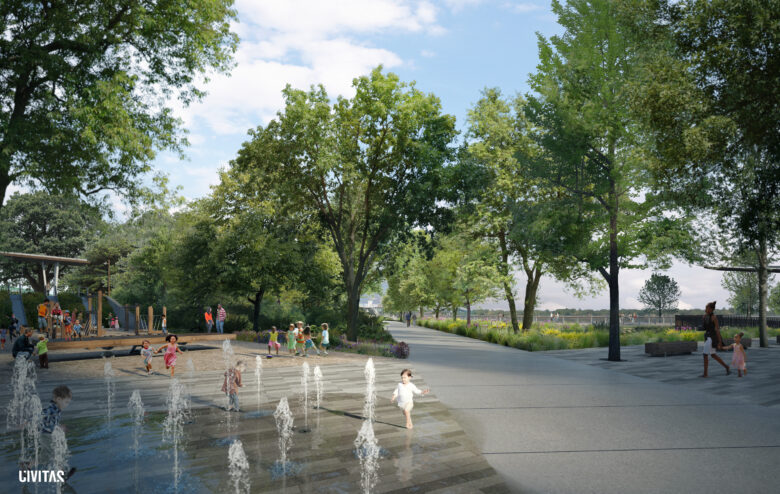
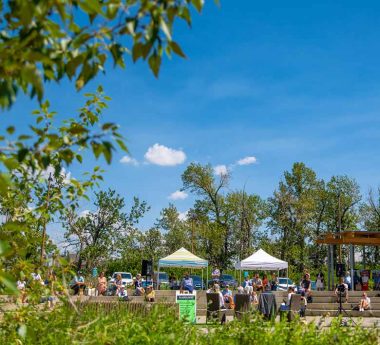
Program-driven parks are built around activity. Event lawns, amphitheaters, plazas, markets, outdoor classrooms, concerts, festivals, and food trucks create vibrant civic destinations. Some host hundreds of organized events every year, relying on significant staffing, operations, and maintenance to remain active.

twin silo park

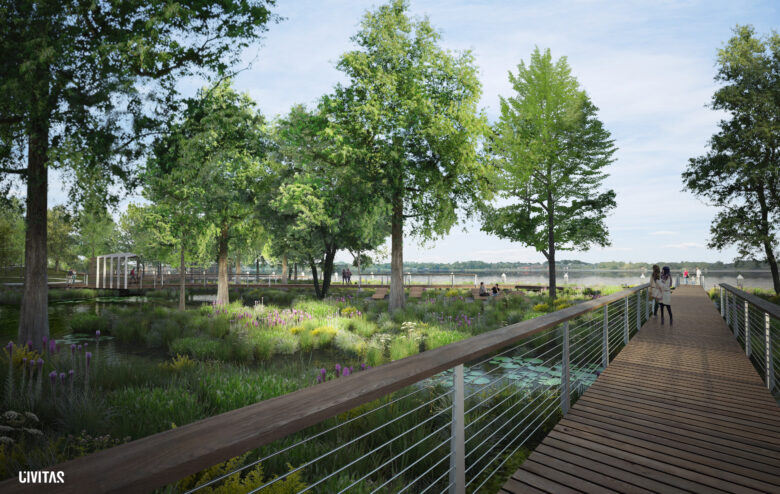
Nature-based parks invite people to engage differently. Trails, boardwalks, water features, natural play, habitat, picnic groves, gardens, and restored landscapes encourage exploration, observation, and independent use. Rather than arriving for a scheduled event, people come because the landscape itself offers something worth experiencing.

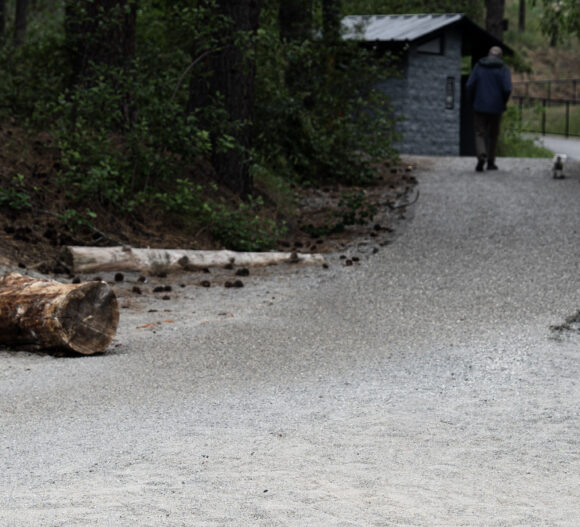
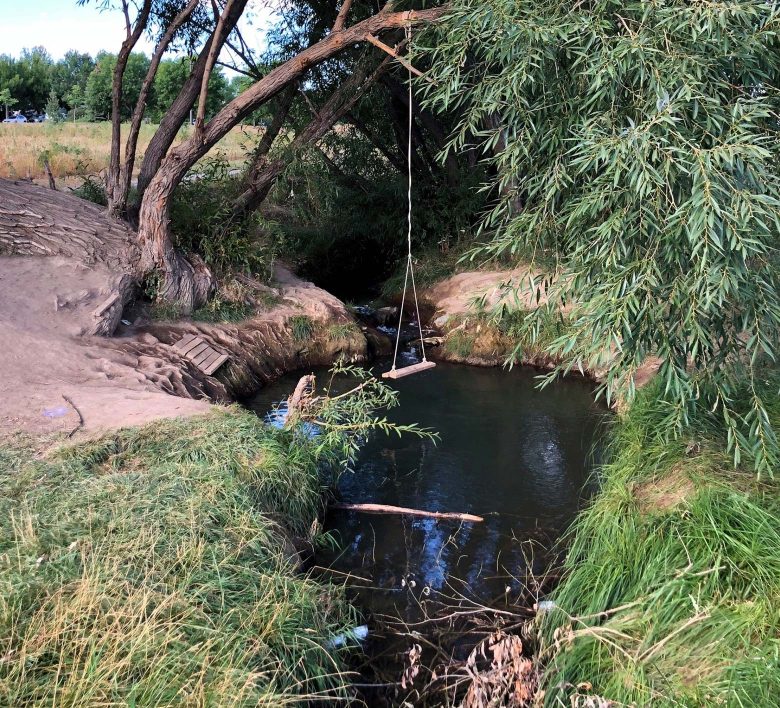
dog playing in creek at twin silo park

Neither model is inherently better. Both contribute to healthy communities. The challenge is that today’s park systems are being asked to do more with fewer resources.

The American Society of Civil Engineers estimates that public parks are facing a $44 billion funding gap, while U.S. National Parks have more than $23 billion in deferred maintenance needs. As cities balance aging infrastructure with growing community expectations, every new feature added to a park also carries long-term operational responsibilities.

The question facing landscape architects has become larger than designing great parks. It is how to create landscapes that continue to thrive long after they open.

PROGRAM-DRIVEN HYBRID NATURE-BASED
90% programmed 50/50 90% self-sustaining
Operations-driven Balanced Landscape-driven
Hundreds of annual events Everyday use + civic events Independent exploration
Higher operating costs Balanced investment Lower operating costs


Finding Balance Through Hybrid Parks

The answer lies somewhere between these two models. Hybrid parks combine the energy of civic programming with the lasting value of nature-based experiences. Large events may introduce people to a park, but everyday use gives it lasting meaning. Walking a trail before work. Meeting friends for lunch. Watching children discover nature. Fishing from the riverbank. These ordinary experiences build familiarity, belonging, and ultimately a stronger connection between communities and their landscapes.

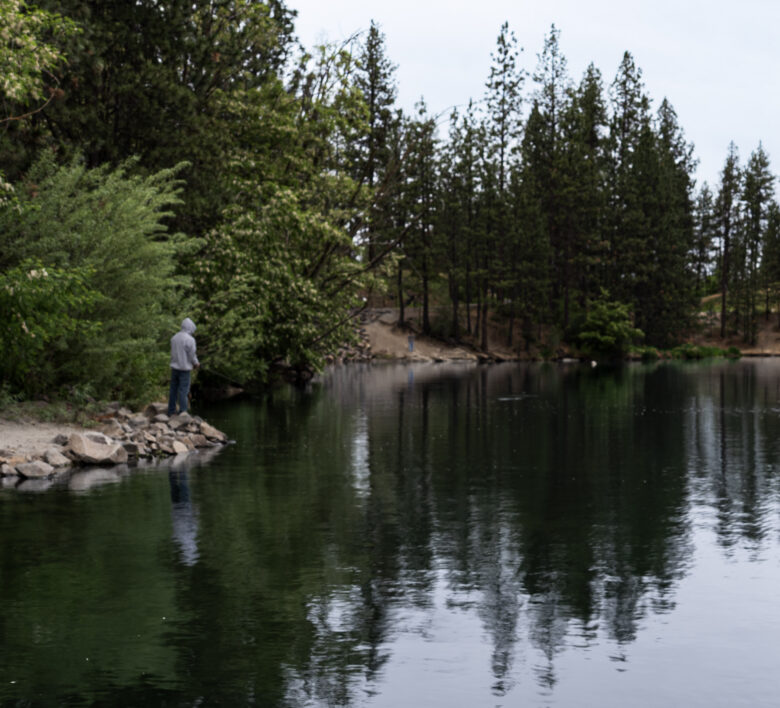
That perspective shaped the repositioning of Black Bay Park in Post Falls, Idaho. Rather than transforming the park through sweeping change, the design introduced carefully targeted interventions that strengthened how people experience the landscape every day. New gathering spaces and programming invite community use while allowing the river, native ecology, and surrounding landscape to remain the defining character of the park.

Whole Places Begin with Nature

Healthy ecosystems do more than create beautiful scenery. They make parks more resilient, more adaptable, and more valuable over time. Protecting mature trees, restoring native habitats, improving shorelines, and designing landscapes that work with water all strengthen ecological performance while creating richer experiences for visitors. These investments support biodiversity, reduce long-term maintenance demands, and help communities adapt to a changing climate.

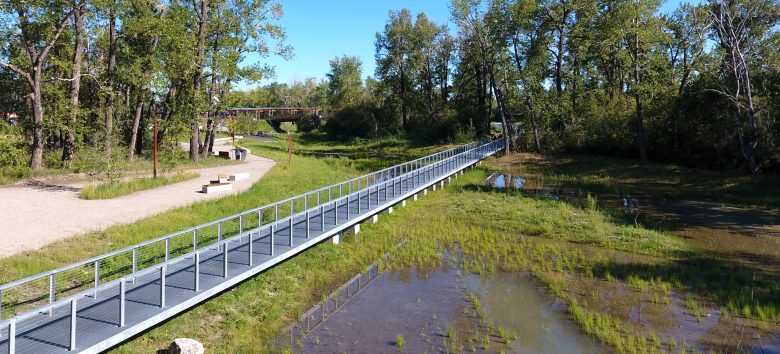
St. Patrick’s Island in Calgary demonstrates what this can look like over time. Ecological restoration transformed an isolated, armored, and ecologically stagnant river island into a connected public landscape where wetlands, habitat, gathering spaces, trails, and recreation support one another as a single system. 

st. patricks island pedestrian bridge after flooding

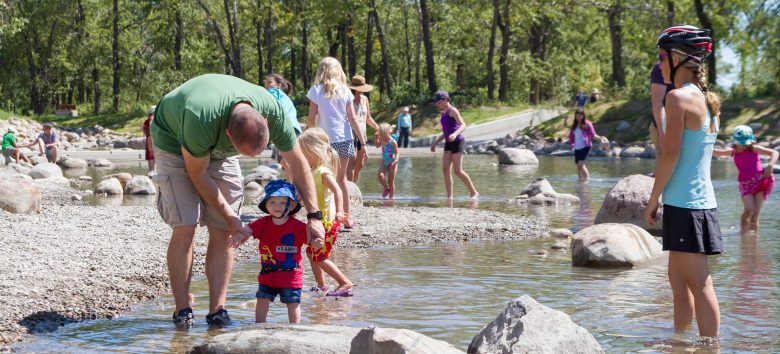
Between 2013 and 2023, biodiversity surveys documented a 63 percent increase in recorded species, growing from 258 to 433 species. The numbers tell an ecological story. The experience tells a human one. As the landscape became healthier, it also became more welcoming, memorable, and deeply woven into the daily life of the city.

families playing in the river on st. patrick's island

Parks Mean More When Every Layer Works Together

No two communities share the same history, ecology, or aspirations. That is why successful parks begin by understanding what already makes a place distinct.

At Metropolitan Park in Jacksonville, Florida, resilience became the framework for reconnecting an underutilized waterfront with the community it serves. Shoreline restoration improves ecological health while strengthening protection from future storm events. Flexible gathering spaces support concerts and civic celebrations without defining the park solely through programming. Trails, access to the St. Johns River, restored landscapes, and everyday recreation work together as one connected experience.

The result is more than a collection of amenities. It is a landscape where ecology, recreation, resilience, and civic life reinforce one another, creating a place that feels complete because every layer contributes to the larger whole.

That is the opportunity embedded within existing parks. Rather than replacing what already exists, thoughtful design can reveal overlooked strengths, reconnect fragmented landscapes, and help communities see familiar places in new ways.

Success Lives in the Everyday

The 2026 CSLA Congress invited landscape architects to explore the blurred edges shaping the future of the profession. Scott’s presentation suggested that one of those thresholds lies between programming and nature, between civic infrastructure and ecological infrastructure, and ultimately between parks people visit and places people carry with them.

The presentation concluded with a simple question: How should we measure the success of a park?

Attendance numbers and event calendars tell part of the story. Ecological metrics, biodiversity, accessibility, and resilience reveal another. Yet some of the most meaningful measures are harder to quantify.

Success is the family that returns every weekend. The child who develops a lifelong relationship with nature. The mature tree that continues to anchor a neighborhood decades after it was preserved. The shoreline that protects a community while inviting people closer to the water. The sense that a park belongs to everyone because it has become part of everyday life.

As communities continue to invest in existing parks, the opportunity extends well beyond revitalization. It is an opportunity to reposition parks within everyday life, reconnect people with nature, and create landscapes that become part of a community’s shared memory.

“The best parks don’t depend on constant programming to remain relevant. When the landscape itself becomes the attraction, people find their own reasons to return. That’s how a park becomes part of the life and memory of a community.” – Scott Jordan, Principal